Earthquake Relief — Northern Pakistan, 2006
A self-funded, independent relief mission Dr. Abdulla organized entirely on his own initiative, at his own expense.
In October 2005, a massive earthquake struck northern Pakistan and Azad Jammu & Kashmir, killing tens of thousands of people and levelling entire villages. Watching the devastation unfold from Canada, Dr. Abdulla grew concerned by what he was hearing from colleagues who had already gone to help: relief efforts on the ground were poorly coordinated, the rugged mountain terrain kept many agencies out of the hardest-hit areas, and the political and security situation in the northwest — including areas then under Taliban influence — barred organizations such as the Pakistan Army and various NGOs from operating in parts of the affected region.
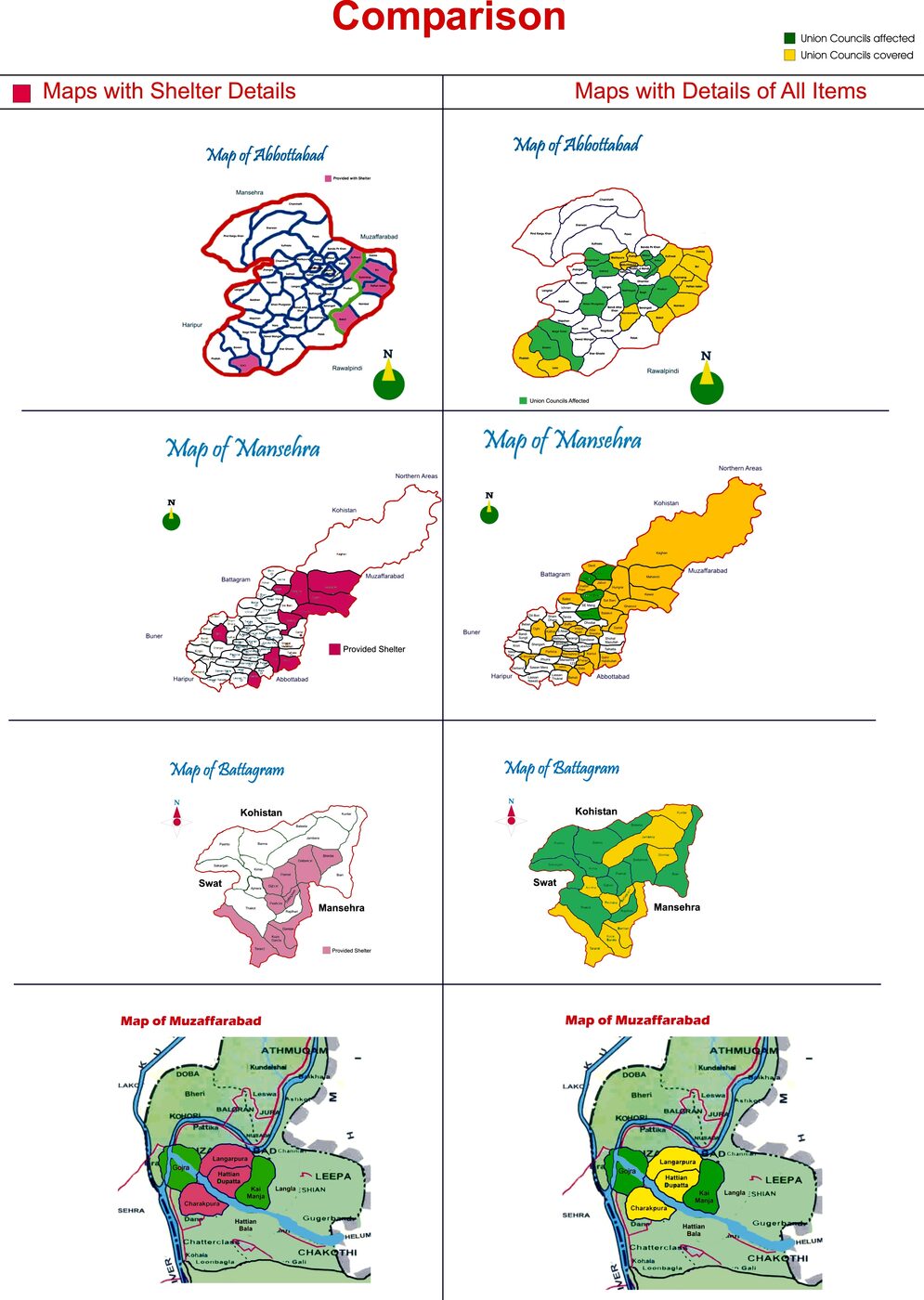
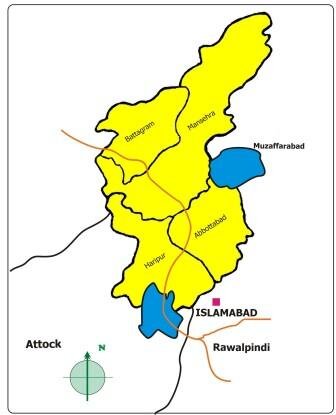
Rather than join an existing relief organization, he spent December 2005 building an entirely independent mission of his own — unaffiliated with any agency, accepting no funding or discounts from anyone, and paid for out of his own pocket at the cost of a month's income. Working from Canada, he mapped the earthquake zone village by village: which areas lay across the line in Azad Jammu & Kashmir, which were unreachable inside Indian-administered Kashmir, and which were then under Taliban control and therefore not viable. He arranged his own driver, his own vehicle, and his own guide — a mountain guide experienced in leading expeditions up K2, the world's second-highest peak. By New Year's Eve he was airborne, arriving in Pakistan within days of the new year.
Unrestricted access across the earthquake zone was essential, and he secured it through a personal connection. Years earlier, at the Aga Khan University in Karachi, he had treated an exceptionally complex, high-risk cardiac case; the patient survived, and his family became close to Dr. Abdulla in the years that followed. That patient's son had ties to Muhammad Mian Soomro, then Chairman of the Senate of Pakistan — constitutionally next in line to the presidency. At the family's request, Soomro had word sent throughout the earthquake zone that Dr. Abdulla was coming, ensuring he was never turned away at a military checkpoint or roadblock.
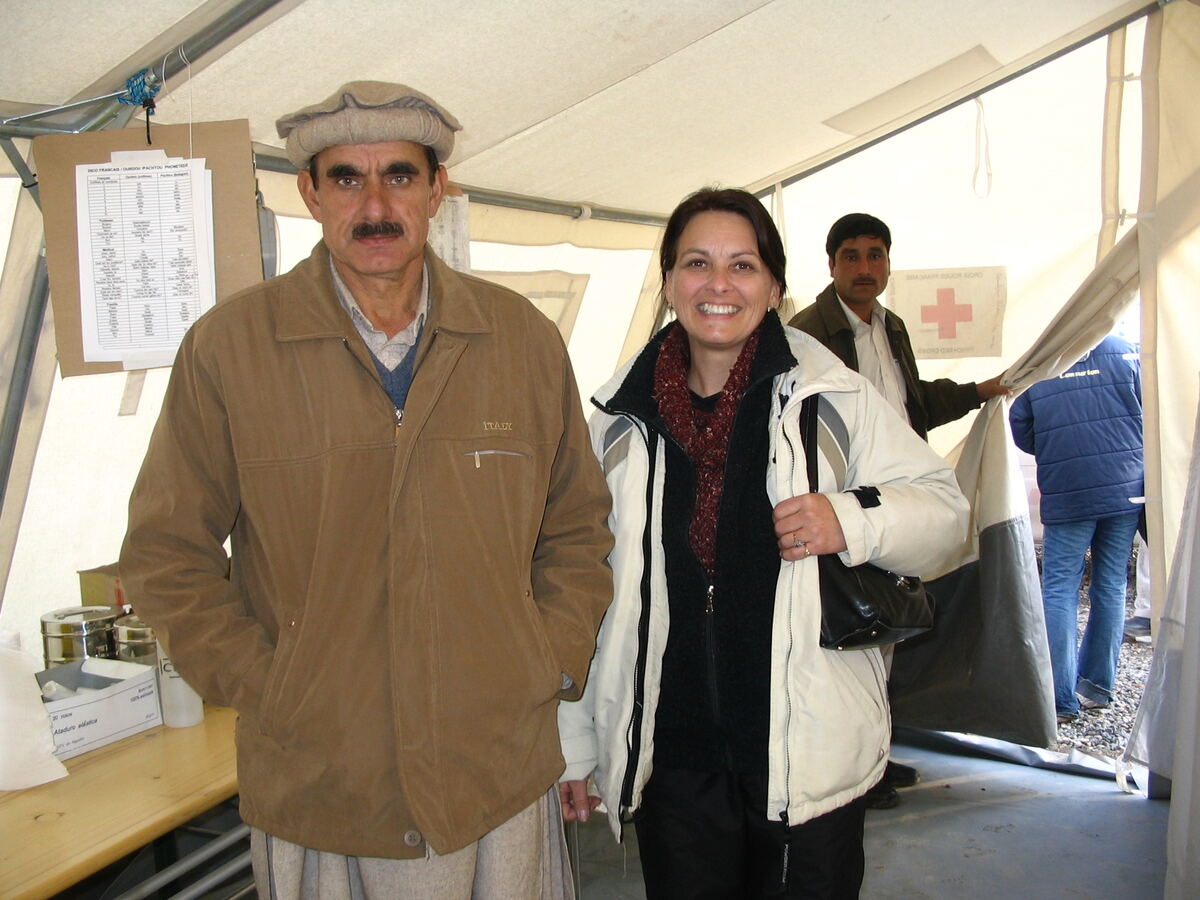
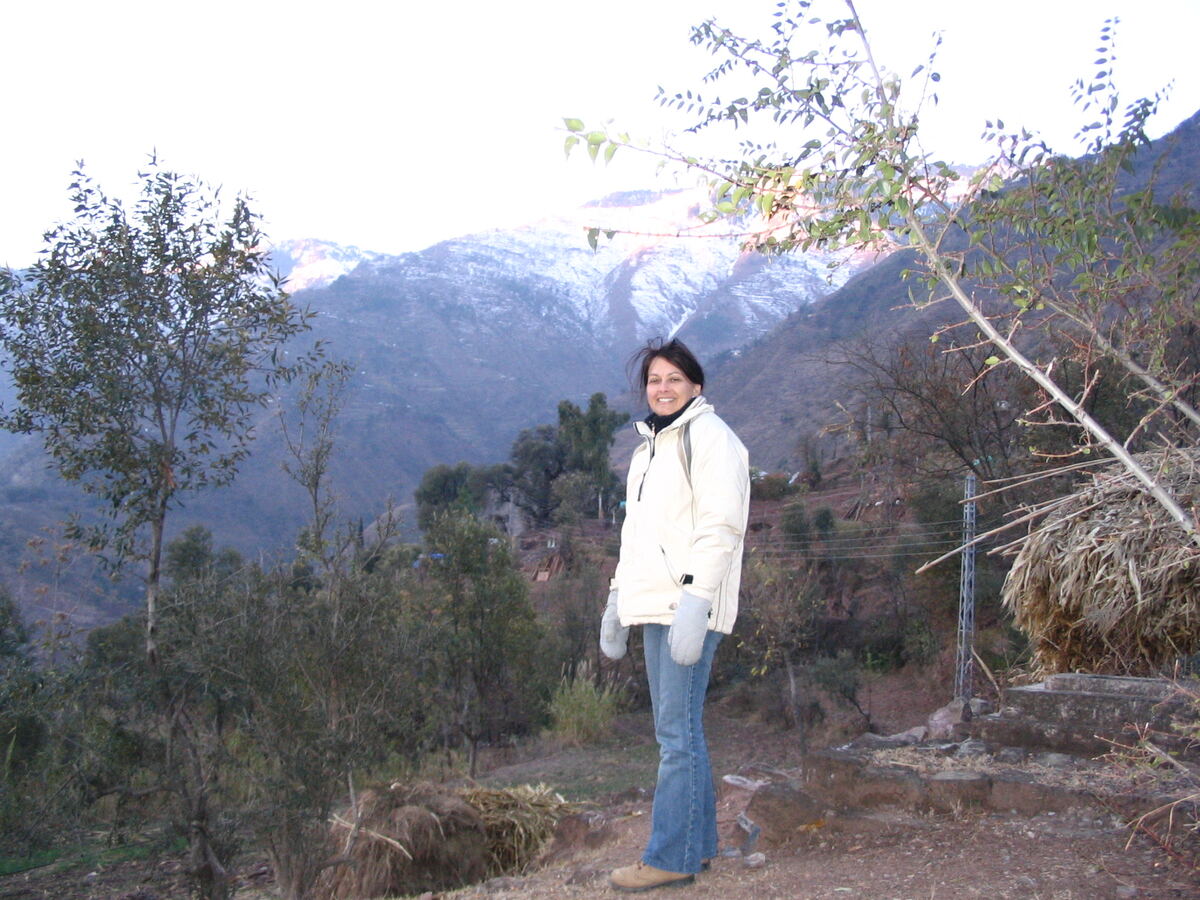
His team was small and entirely self-organized: Dr. Abdulla; his common-law partner Monique Tremblay, who worked alongside him as his cardiac nurse for decades and trained under him in Sudbury (she is today a trauma coordinator); their driver; and their guide. Two Pakistani NGO workers joined briefly at the outset but turned back once the team reached its base camp in Abbottabad, leaving Dr. Abdulla and Monique to carry the mission forward together for the rest of the month.
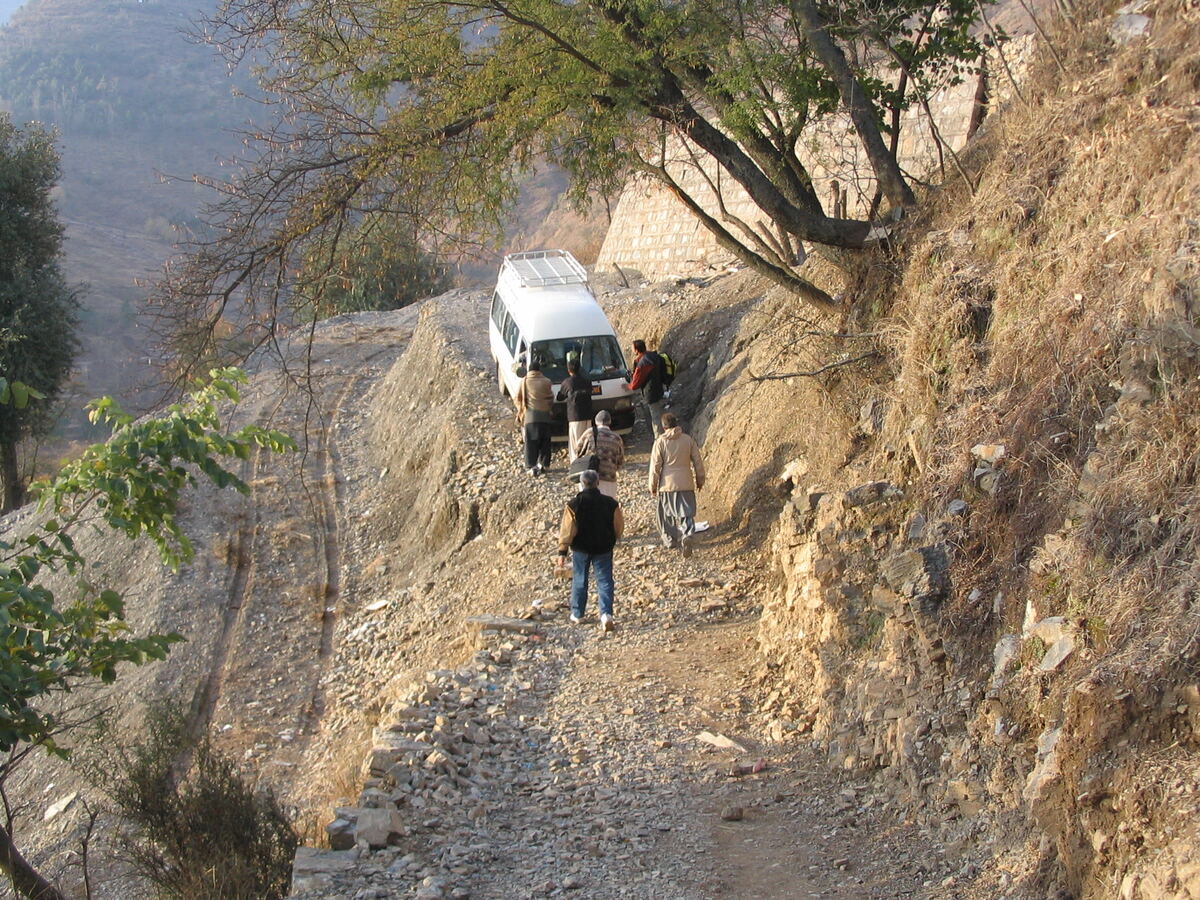
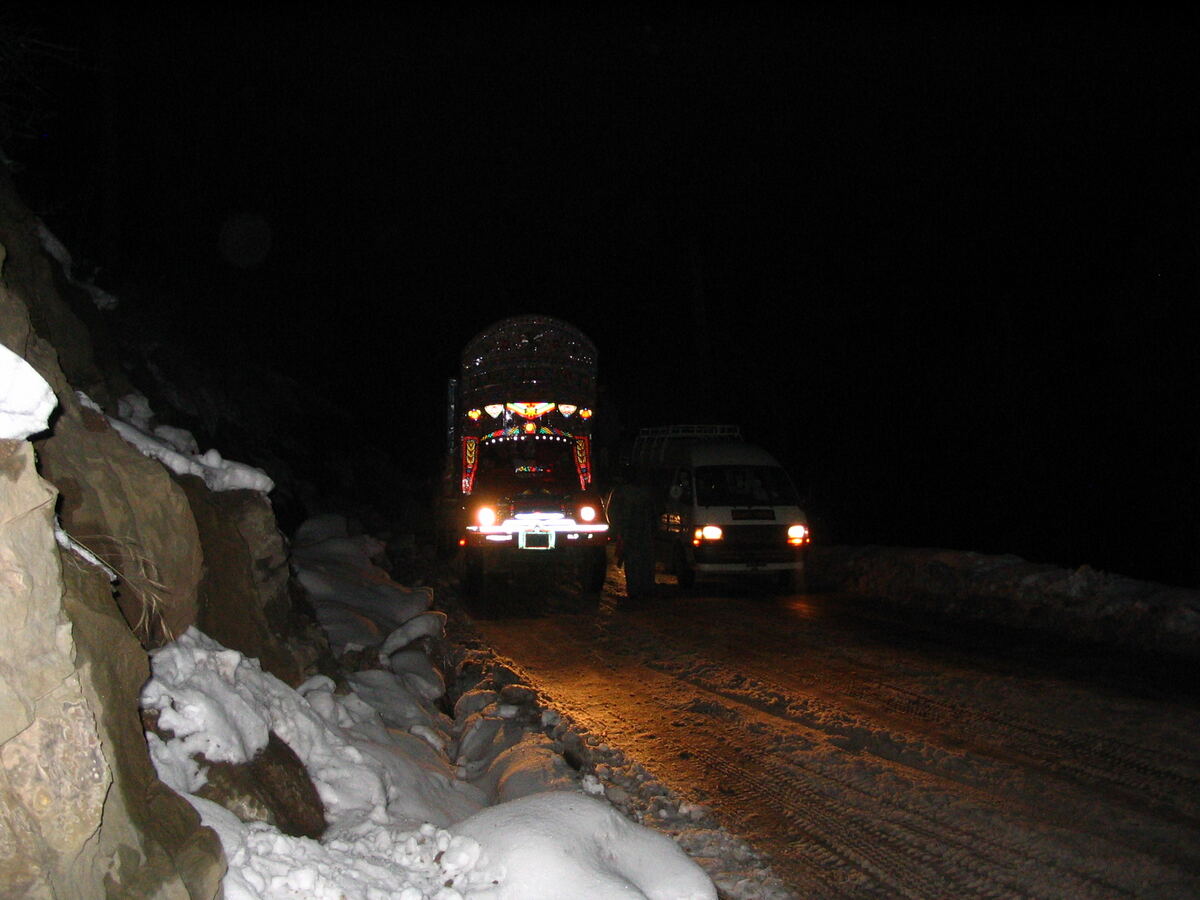
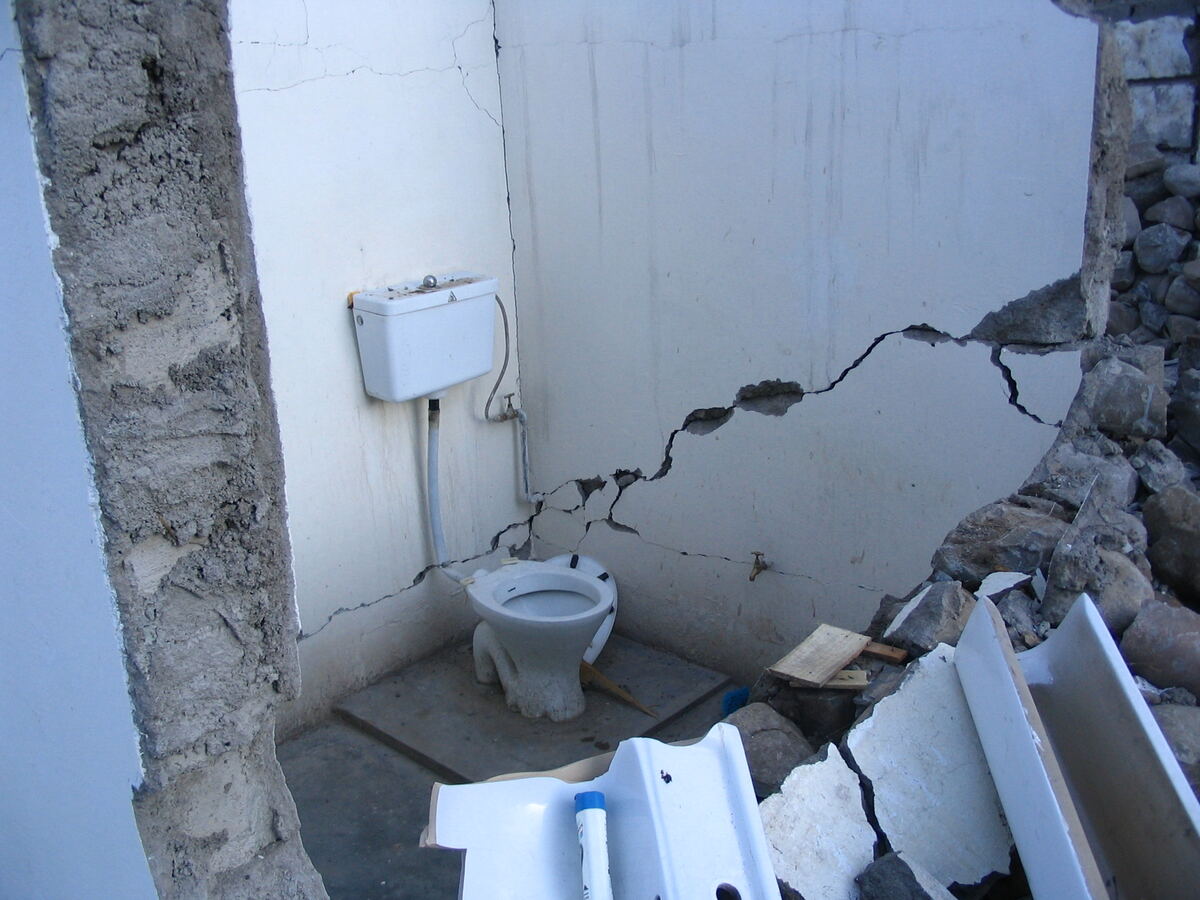
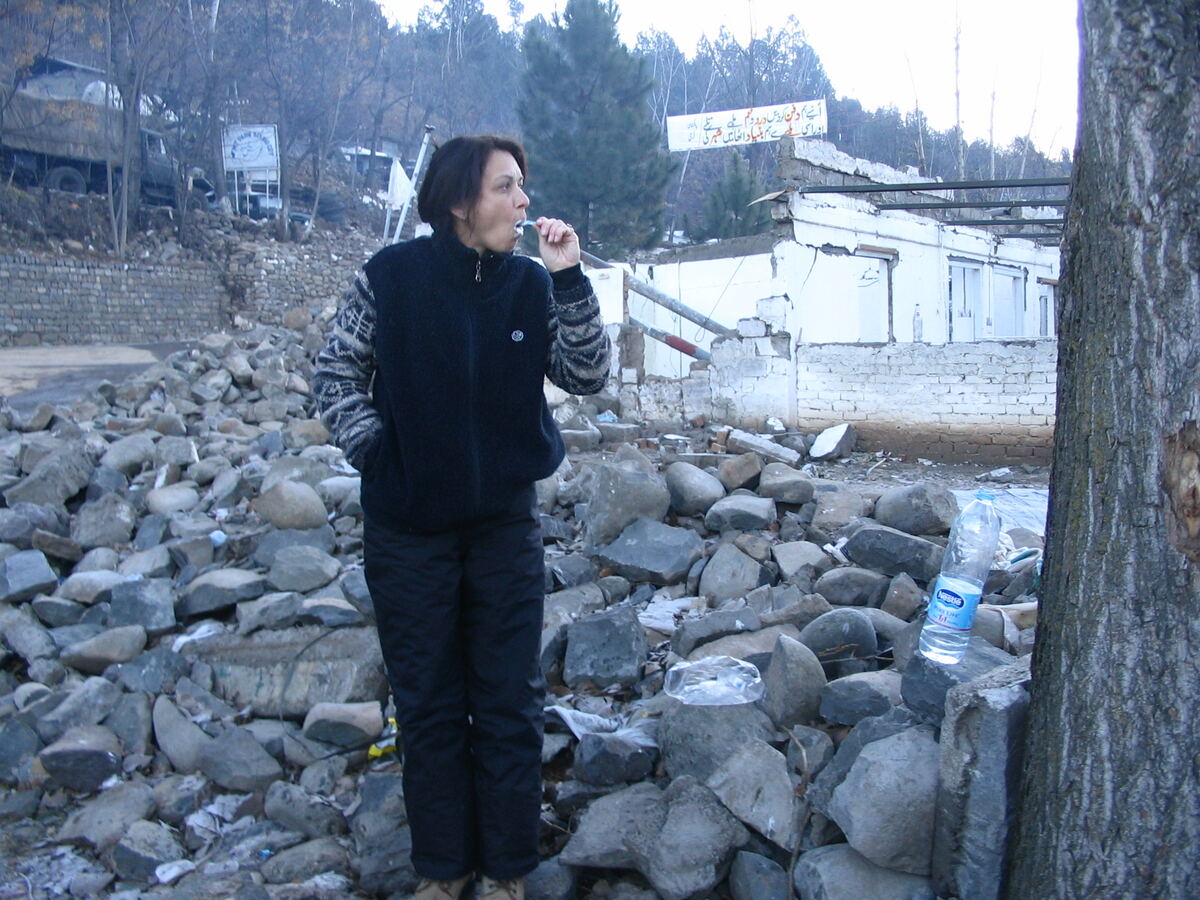
Reaching the worst-hit villages meant crossing terrain most agencies wouldn't attempt. On one crossing, at close to sixteen to eighteen thousand feet, the road narrowed to little more than a ledge of dirt and mud clinging to a mountainside where the earthquake had sheared away part of the slope, dropping off five to six thousand feet at the edge. A loaded truck ahead of them lost traction on overnight ice; Dr. Abdulla and Monique watched from their own vehicle as one of its wheels slipped over the edge before they inched past it on the same narrow shoulder. What would normally have been a forty-five-minute drive in summer took six to eight hours in the dark. They reached an army base on the far side after nightfall and slept in their vehicle, with their driver and guide in a tent beside them. By morning light, the base was unrecognizable — every building had collapsed except one small structure, roughly fifteen by twenty feet, its walls partly standing, with nothing left inside but a single broken toilet.
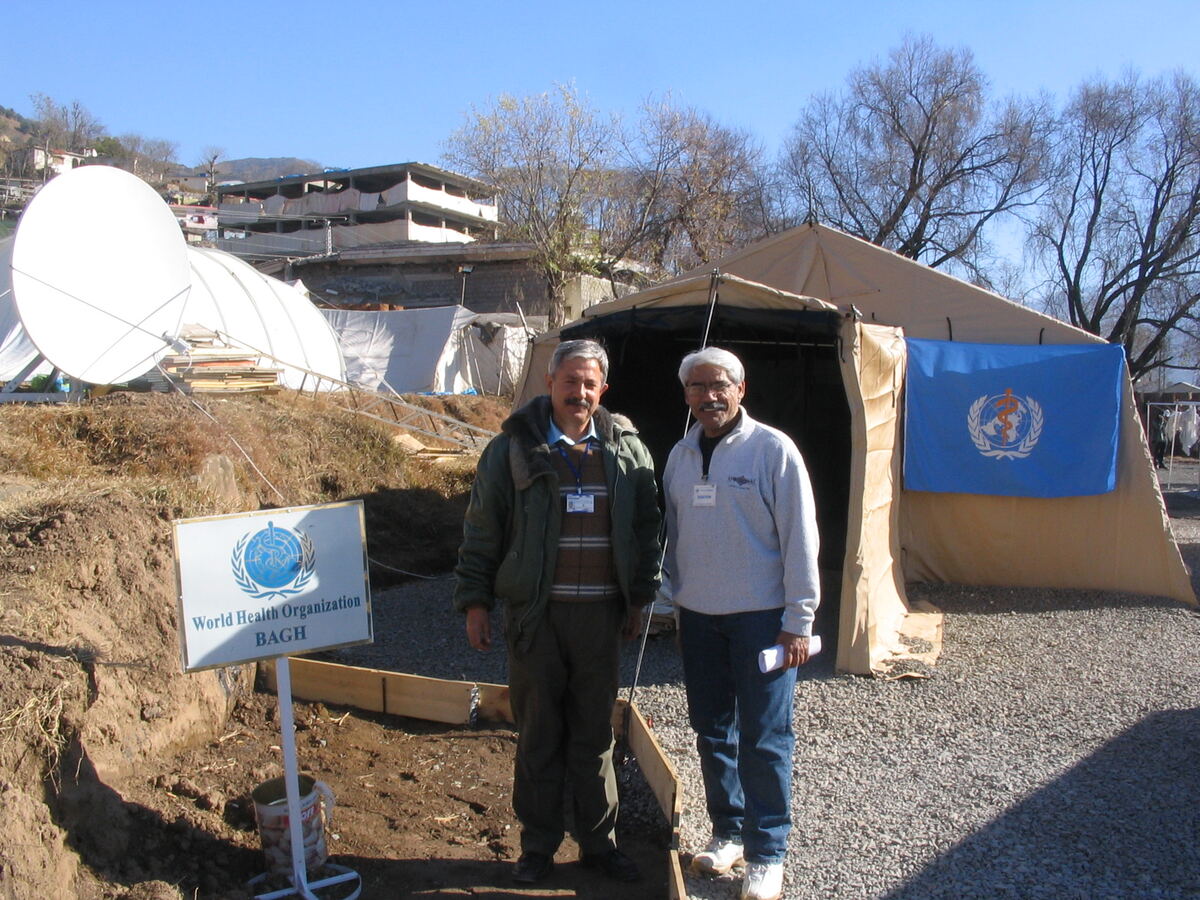
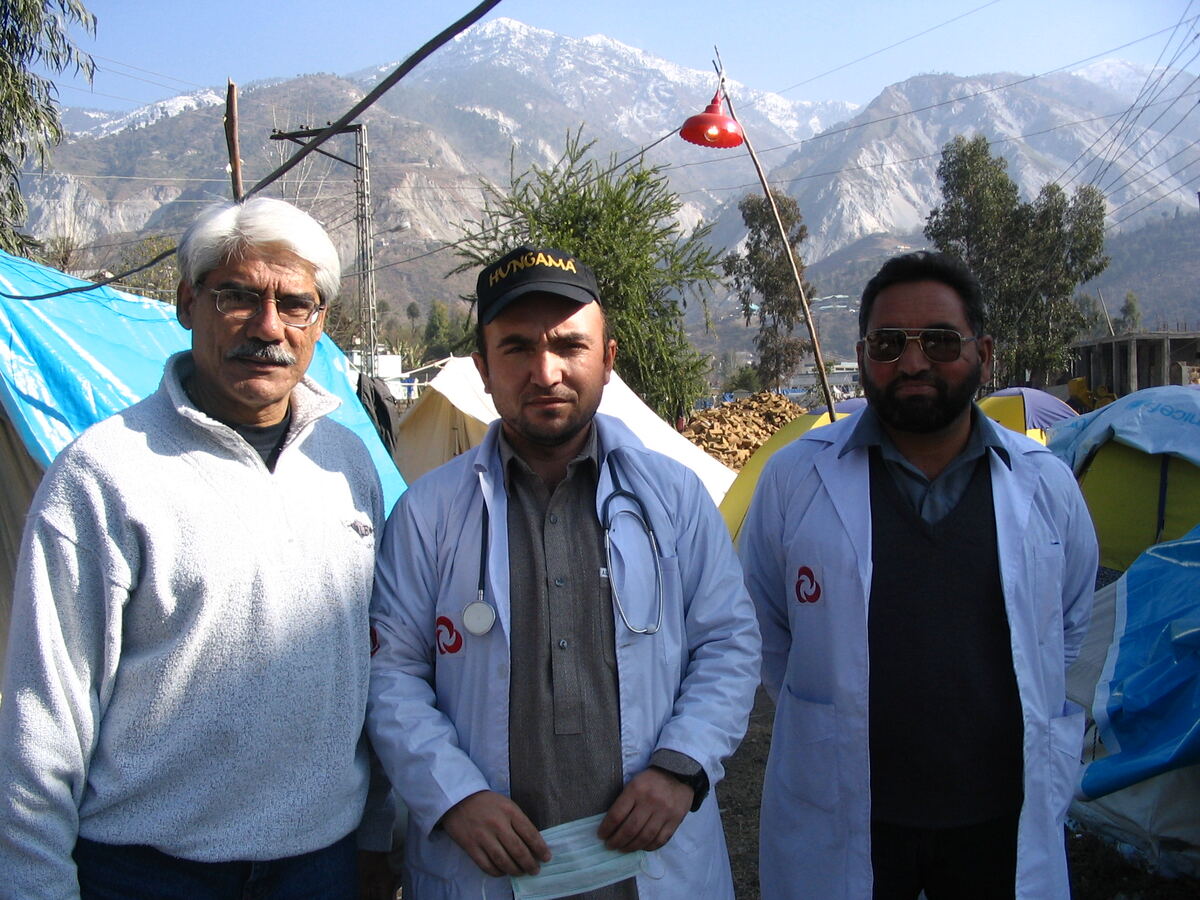
Once in the field, Dr. Abdulla circled the entire earthquake zone, assessing which health facilities were still standing or functioning and what each of the international relief agencies — Malaysian, German, and others — was doing in different sectors. Within the first week or two, word of his independent survey reached the United Nations and the humanitarian organizations based at the main NGO camp in Muzaffarabad, and they began seeking him out. He joined their weekly coordination meetings, reporting on where he had travelled, what he had observed, and which practices were working and which weren't — effectively filling, on the ground, the coordination gap he had identified from Canada months earlier. The mission lasted one month, the most he could afford to be away from his practice and absorb the lost income, and, like his other community work, it was entirely pro bono: no honorarium, no reimbursement, and no institutional backing — undertaken because he saw a gap that needed filling and had the means to fill it.
The Mission