Canada's Far North, and a Family's Legacy
Of everything in his life outside the clinic, this is the story Dr. Abdulla returns to most — because it is where his Canadian life truly began, and because, four decades later, it circled back in a way he could never have planned.
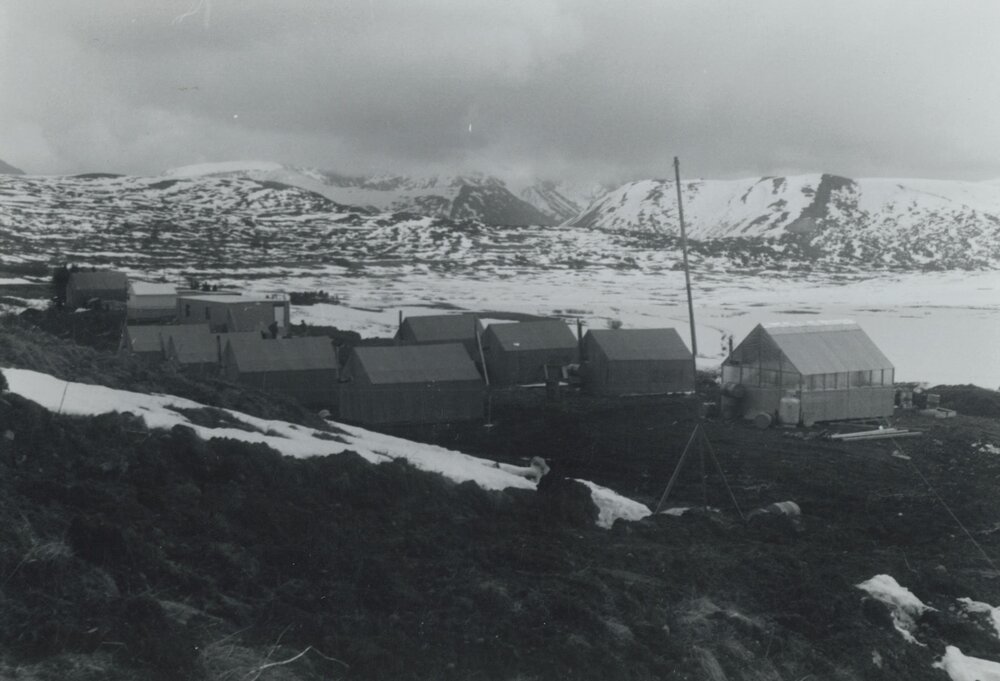
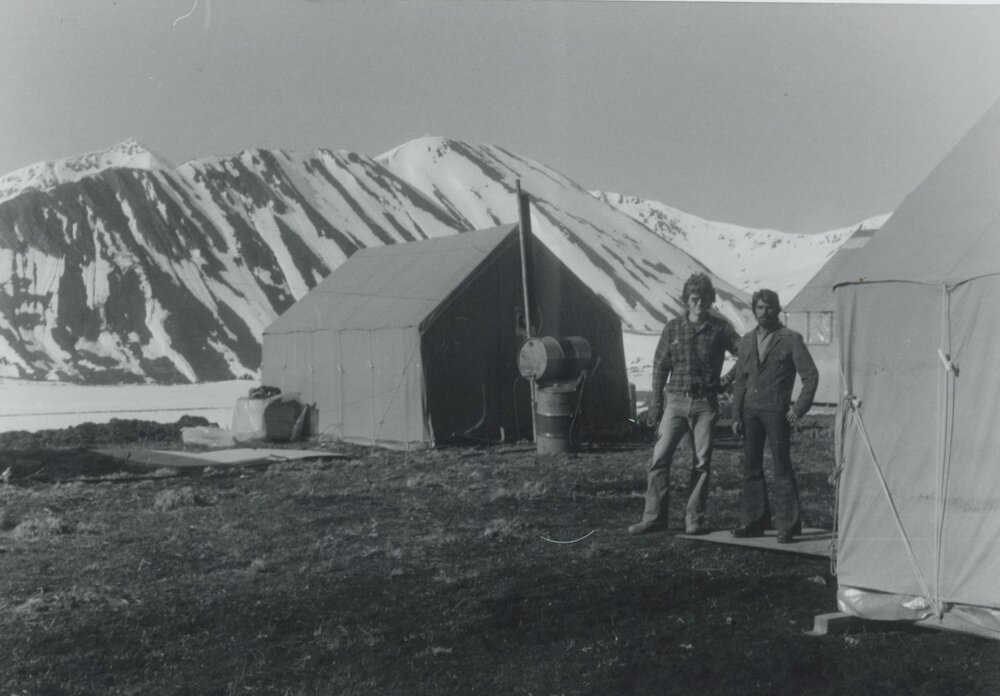
In the summer of 1973, between his second and third years of medical school at UBC, Dr. Abdulla needed a summer job that came with a place to live. An ad at UBC was looking for a camp First Aid Attendant, certificate required; he enrolled in a St. John Ambulance course, got his certificate, and was hired by Canex Placer, a mining company running a lead and zinc exploration camp in the Northwest Territories — 200 kilometres from the nearest human settlement. He flew to Watson Lake, Yukon, then by ski-plane into a camp of canvas tents and a kitchen trailer, still under snow in early June, with no trees, no roads, and no other sign of anyone for miles in any direction.
He was the only person of colour in a camp of rough, hard-drinking miners working double shifts around the clock — and, having grown up without alcohol, pork, or gambling in his life, about as far from that world as it was possible to be. The camp's Japanese cook noticed, within a few days, that Dr. Abdulla was quietly making do with bread and jam on the nights pork was served, and began quietly preparing him a second dish without being asked.
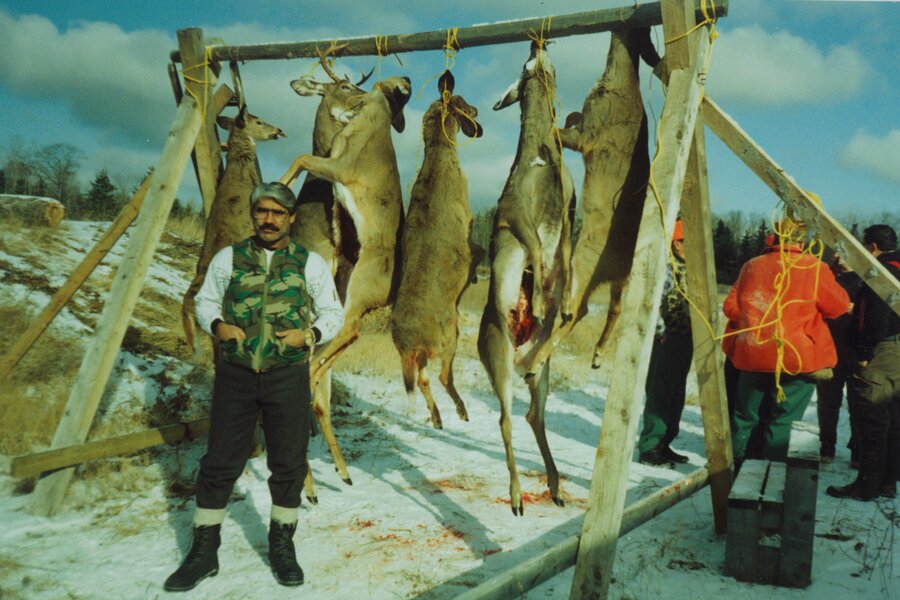
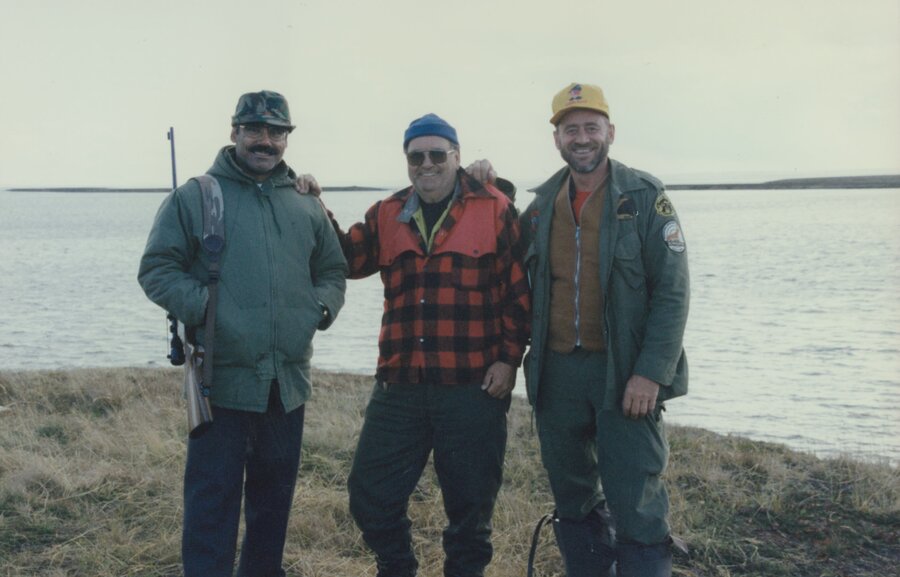
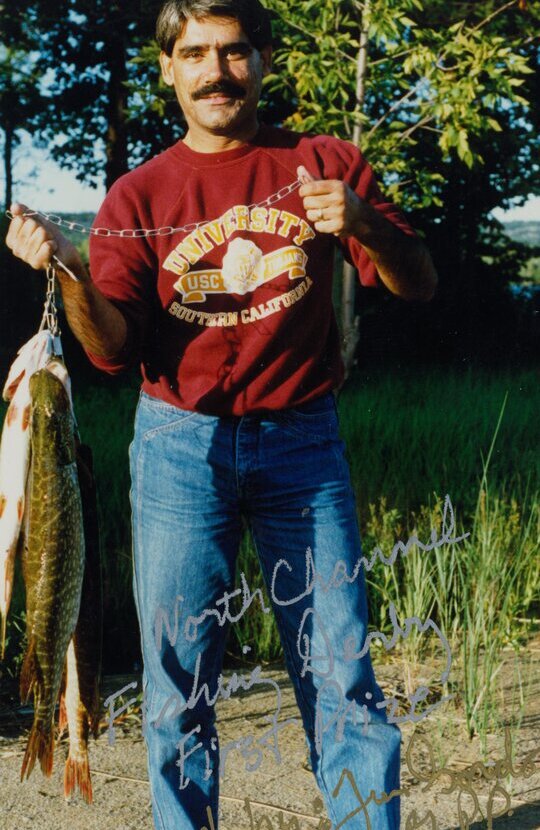
His father had taught him to shoot while in Africa, and to be at ease in the wild, and it showed. He would head out alone into the surrounding valleys with a rifle, comfortable in a landscape that unsettled everyone else — and when he beat the camp's helicopter pilot in a long-range shooting contest, the miners' wariness turned to respect. It was the continuation of a lifelong love of hunting and fishing that began in Africa and now continued in Canada.
With time on his hands between first-aid calls, he also solved a problem that had nothing to do with medicine. Ore samples were normally flown out to Vancouver for lead and zinc analysis, with results taking seven to ten days to return — too slow to know, in real time, which sites were worth staking. Working out that heavy-metal concentration could be estimated from light absorption through a thin sample, he built a simple light-meter apparatus from supplies he requested, calibrated it against known samples, and began producing same-day concentration estimates that closely matched the results later confirmed from Vancouver. The camp doubled its staking pace that summer — and Dr. Abdulla, still not yet twenty, earned a double salary and watched his first Northern Lights before the season was out.
It was barely more than a year since he had arrived in Canada as a refugee — in a country, and a climate, he knew nothing about — still finding his footing in medical school, financially on his own, and the earnings he had just brought home from the mining camp were meant to finally ease the pressure of paying his own way through it. That December 1973, back in Vancouver and immersed in Aga Khan community work — he had by then become the first Chairman of the BC Aga Khan Ismaili Youth organization and founding editor of its first community magazine in Canada, Forum — Dr. Abdulla received word that his mother had died in Tanzania. She was 46, and had spent her life working to see him become a doctor. It was the most devastating loss of his life, compounding a year that had already tested him financially, professionally, and culturally, and for a time it derailed him completely. What brought him back, slowly, over the following weeks, was the conviction that her spirit was still watching over him and his responsibility to his young brother Rahim, only six at the time of her death — and that honouring her sacrifice meant finishing what she had given everything to make possible and fulfilling the covenant he had with his mother about Rahim's future.
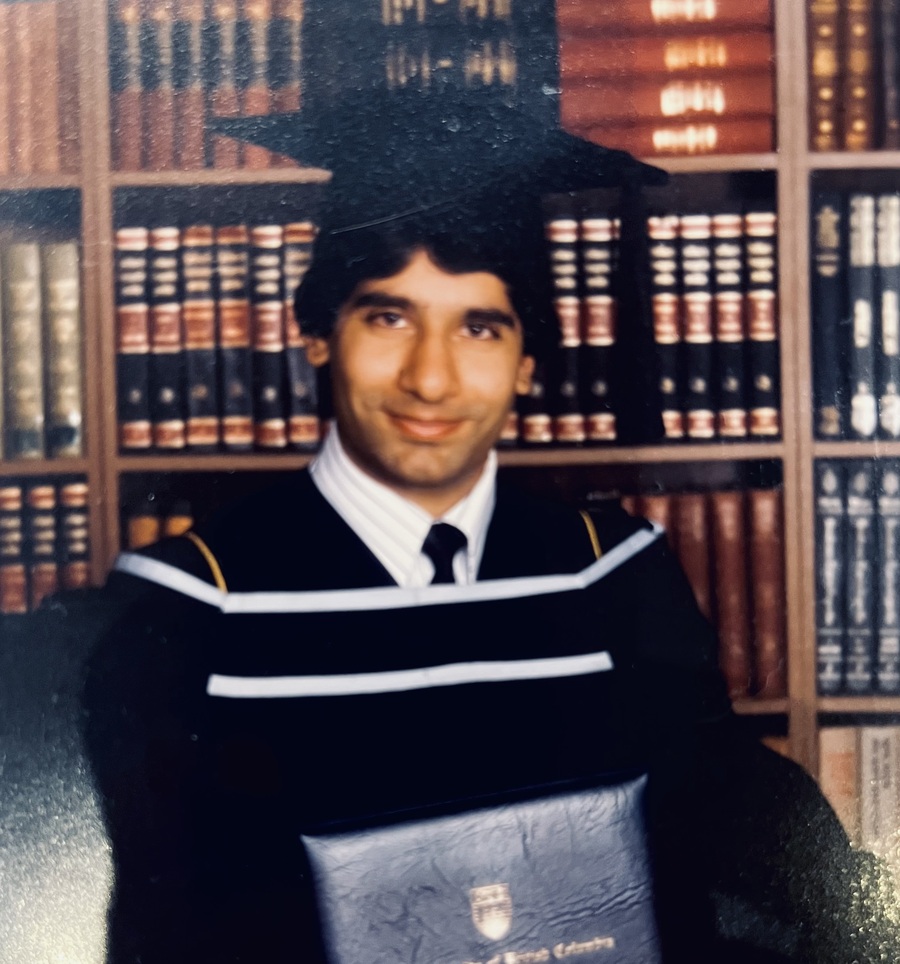
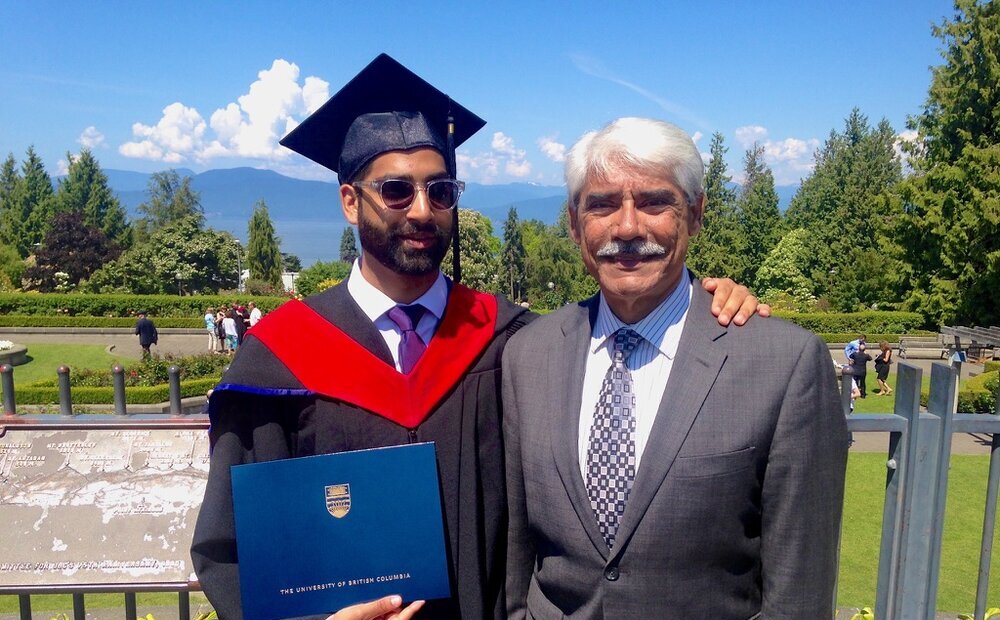
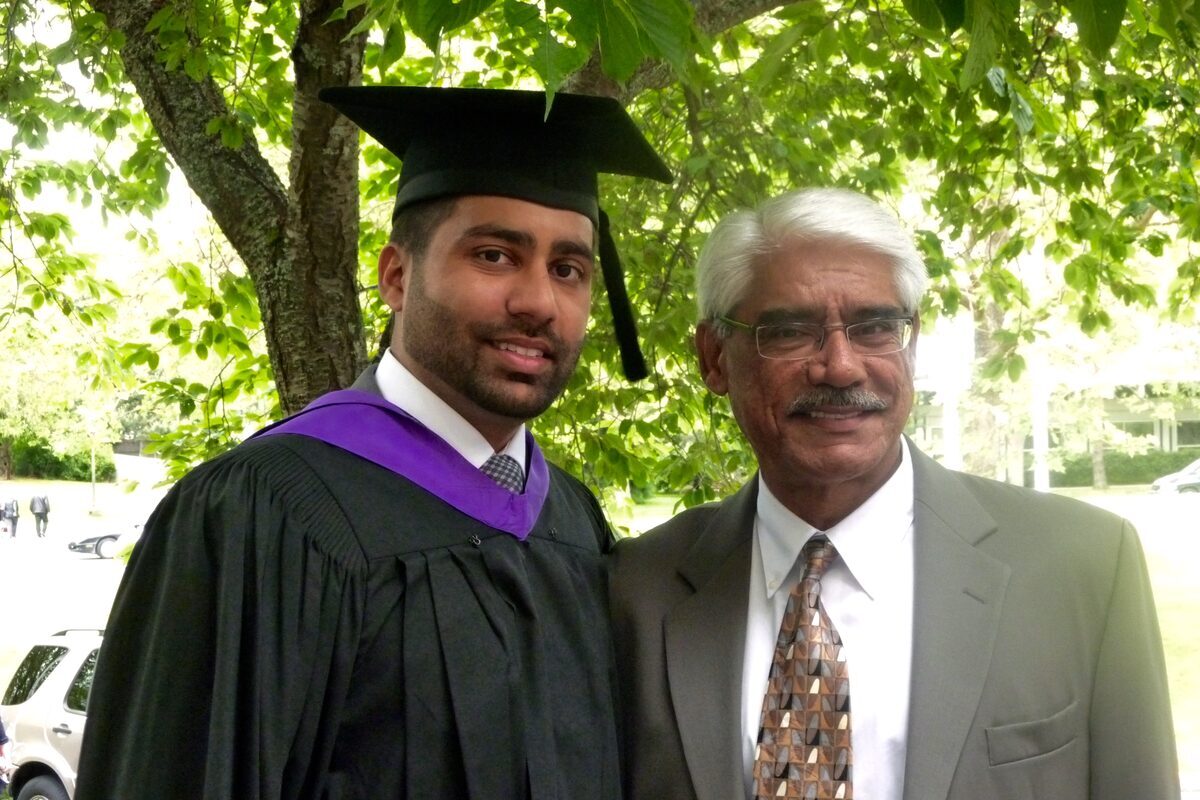
He graduated in Medicine from UBC in May 1975, receiving his diploma from Walter Gage — the university president who had helped him get started three years earlier — in Dr. Gage's final act before retirement. His father, his brother Rahim, and his fiancée (and future wife) Almas were there to watch.
The Far North
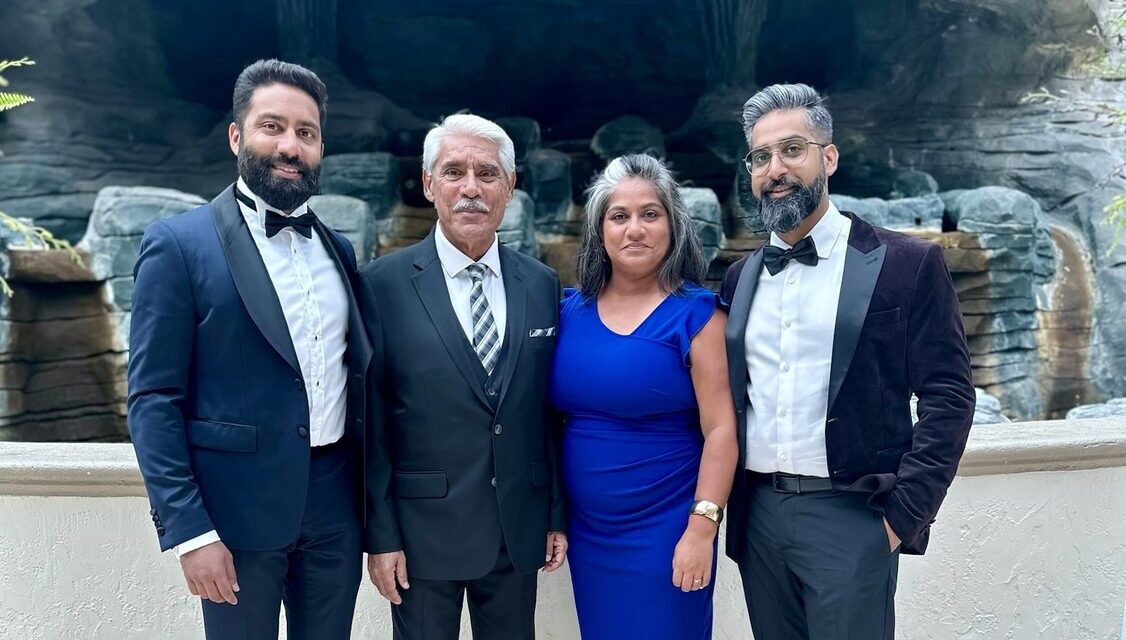
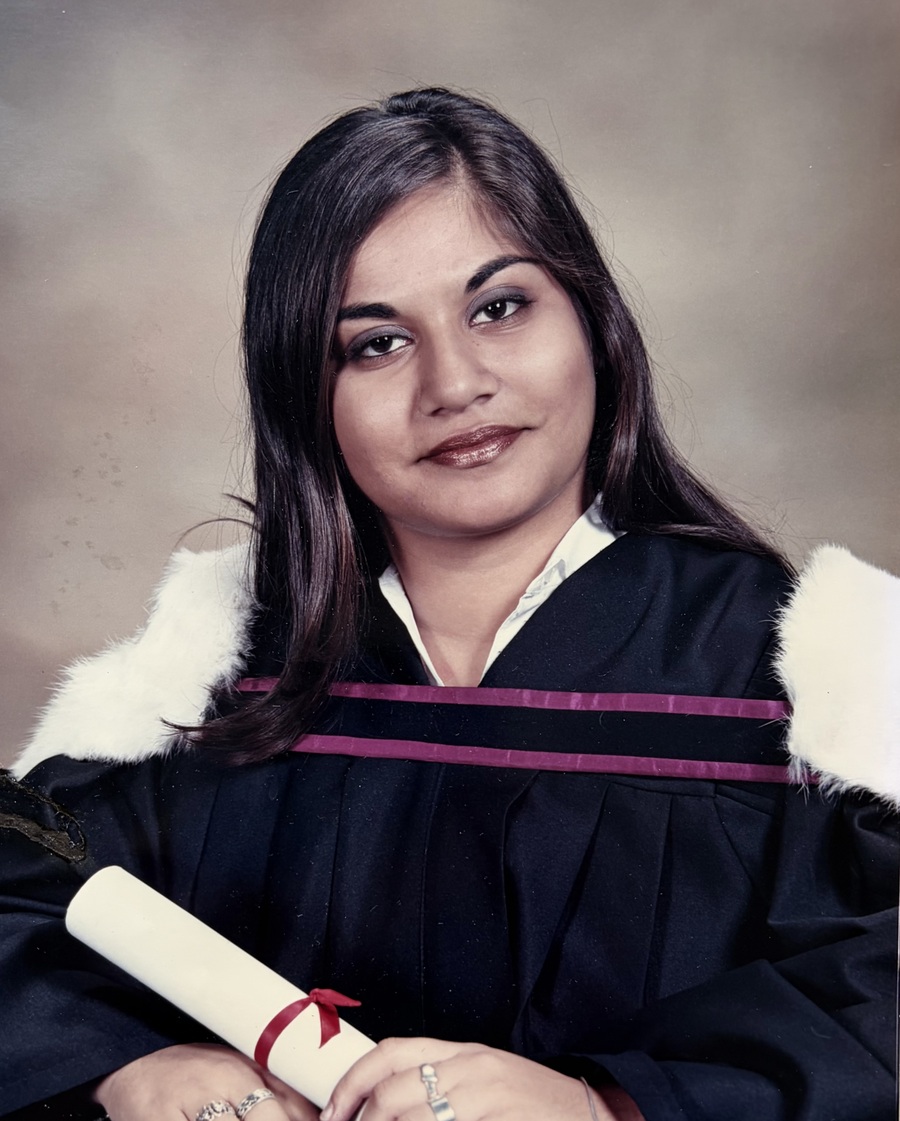
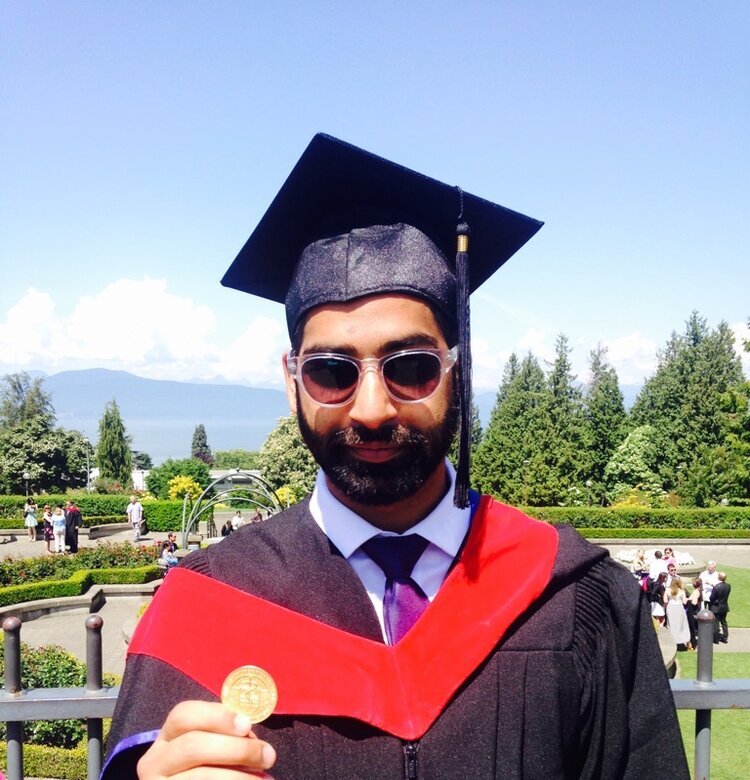
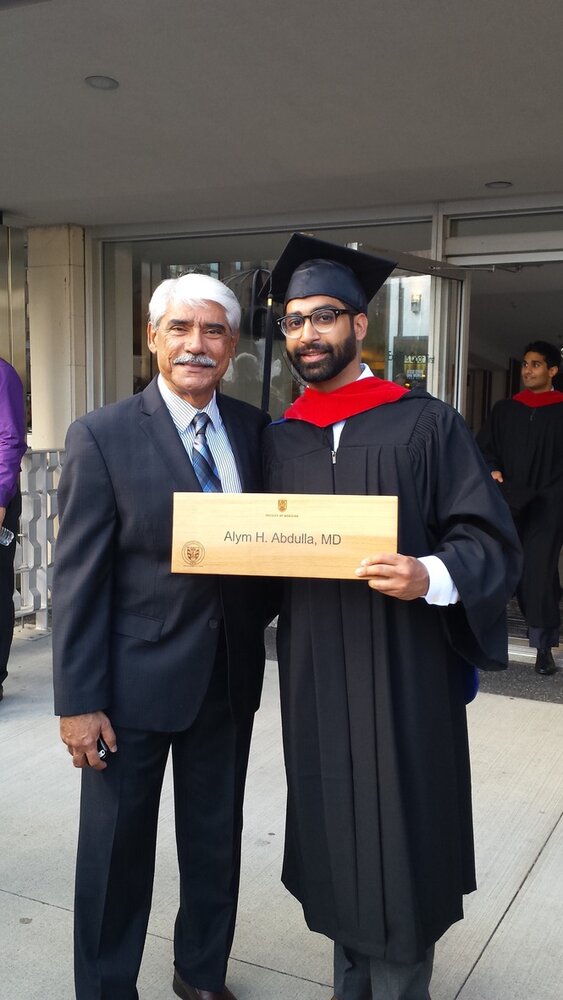
Each of Dr. Abdulla's three children built a distinguished career in a different field entirely — one of them, like his father, in medicine. The family's ties to UBC also run through three generations. Rahim, the six-year-old brother Dr. Abdulla brought to Canada and helped raise after their mother's death, went on to earn his own B.Pharm from UBC. Years later, when Dr. Abdulla's work took him to Pakistan to help build the AKU Cardiac Program, Rahim and his wife moved to Sudbury to help raise his young sons in his absence — the same care once given to him, returned in full. He later settled in Ottawa, where he built a successful pharmacy business and went on to open two multispecialty medical clinics alongside it. And in May 2015 — almost to the day, forty years after his father's own MD convocation — Dr. Abdulla's son, Alym, graduated in Medicine from UBC as well, having earned a B.Pharm there beforehand. Alym was the gold medallist of his graduating class; he went on to complete his residency in Internal Medicine, followed by subspecialty training in Hematology, and is now a hematologist (FRCPC) at Royal Columbian Hospital.
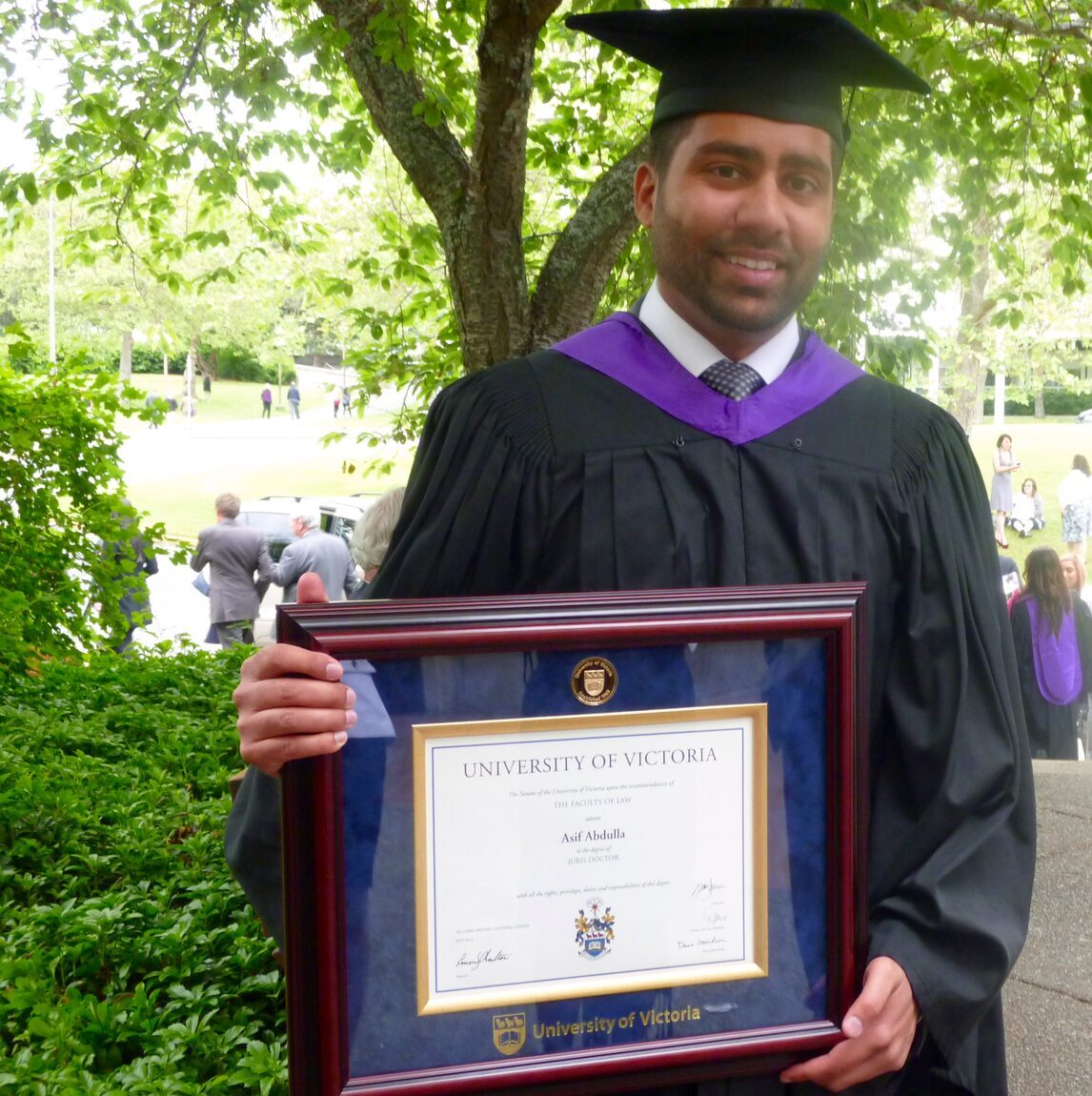
His daughter, Arifa, studied business at McGill University and has a career in hospital management. His son Asif took an unconventional path — starting his studies in computer engineering, but ultimately pursuing a legal education. He served as a border services officer while completing his undergraduate degree in criminology, then went on to earn his law degree at the University of Victoria. He now specializes in tax law as a partner at Canada's largest national tax law firm and is recognized by his peers as a leading practitioner in his field.
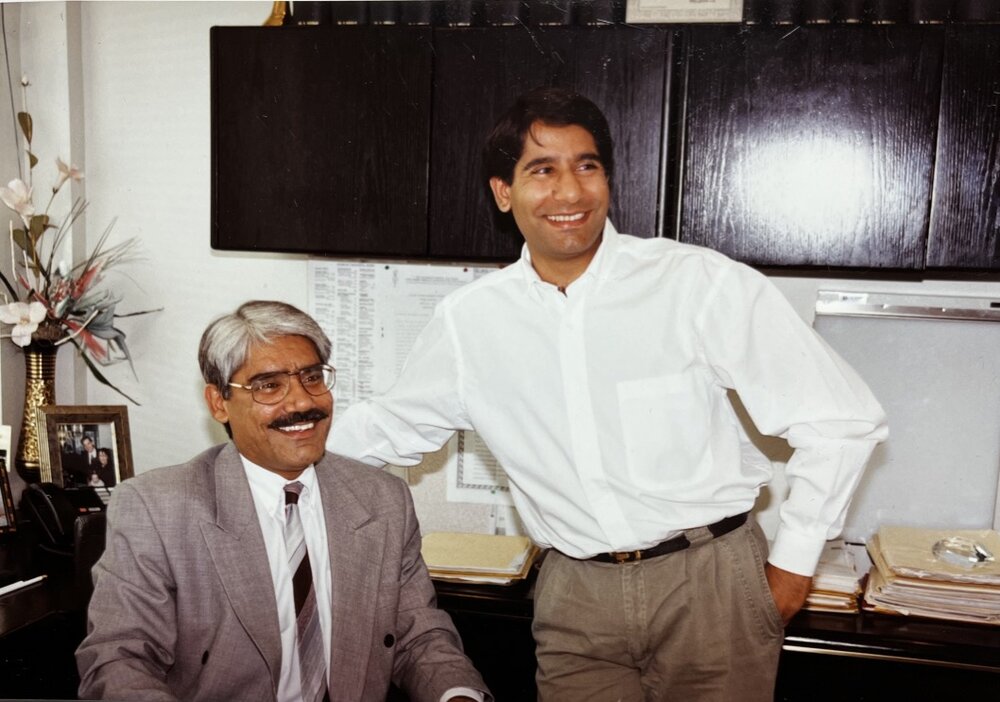
That commitment to education traces back to the choices Dr. Abdulla made as a young man building a life in Canada. After settling in Vancouver and completing his own medical training, he brought his father to Canada as well, sending him to Vancouver Community College for a diploma in Registered Industrial Accounting; his father went on to a long career with the Department of Veterans Affairs, working there until his passing. He covered the full cost of Rahim's private high school education, with Rahim later funding part of his own university years through Canada Student Loans. And when it came to his own three children, Dr. Abdulla covered every expense of their university educations himself — not tuition alone, but living costs throughout — so each of them entered their careers fully credentialed and entirely free of student debt.
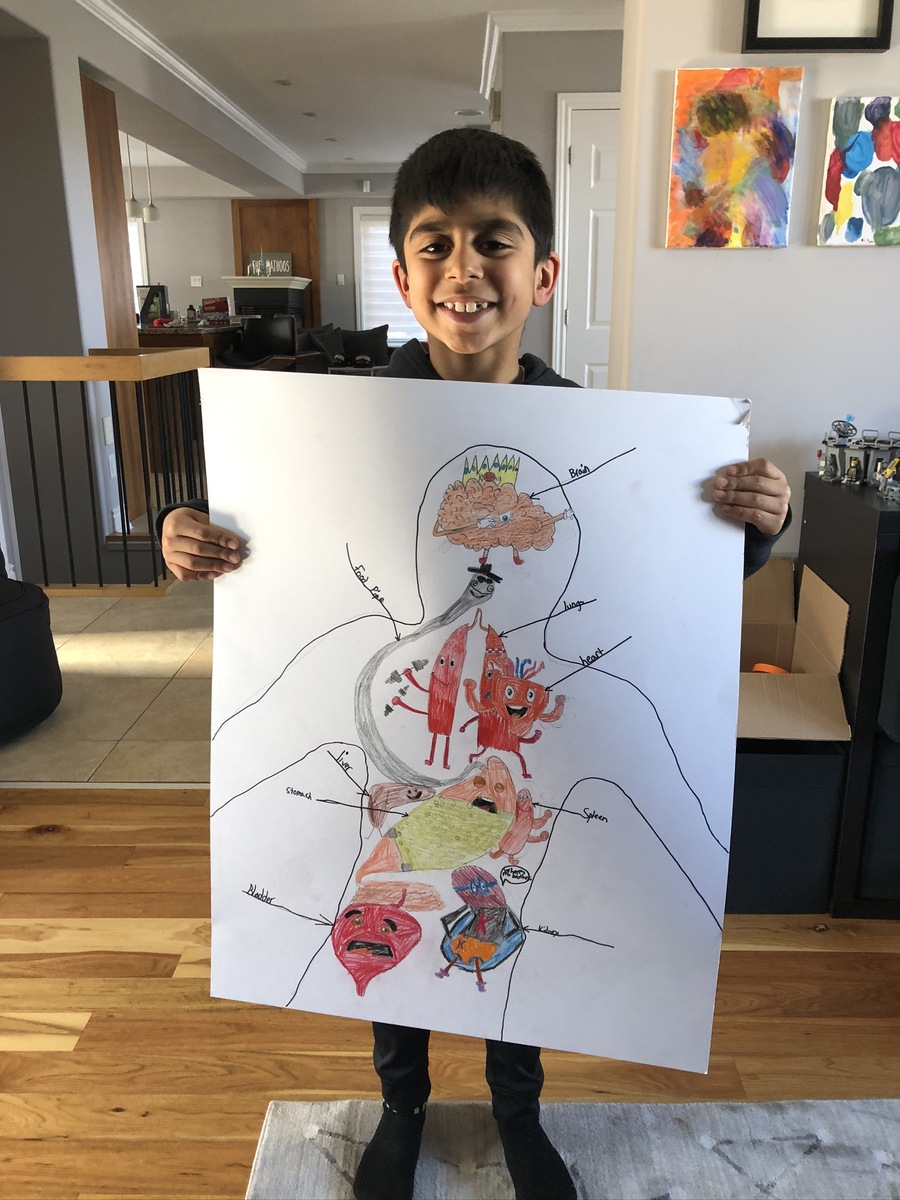
That same instinct to teach has already reached the next generation: Dr. Abdulla sketched the rough outline of a human body for his grandson, Ziyan, who filled it in, organ by organ, each one given its own character and personality — his own small way of starting health education in childhood, from the youngest kids onward.